
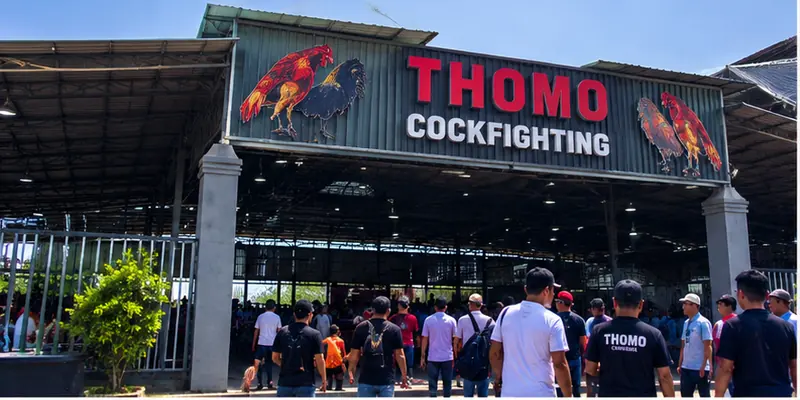
Thomo Cockfighting bet bry is a search phrase associated with traditional rooster-fighting events in the Thomo border region and their presentation through digital media. Although the subject attracts attention for its history and regional traditions, understanding it requires more than watching short videos or reading promotional descriptions. Cultural context, content authenticity, legal restrictions, and animal welfare all influence how the subject should be evaluated. This guide examines those considerations and explains how audiences can approach online information critically.
Understanding the Cultural Background of Thomo
The expression Thomo Cockfighting bet bry brings together a geographic reference, an established regional tradition, and terminology commonly encountered on online entertainment websites. Understanding these elements separately helps readers avoid confusing historical practices with commercial promotional material.
The Historical Role of Rooster-Fighting Traditions
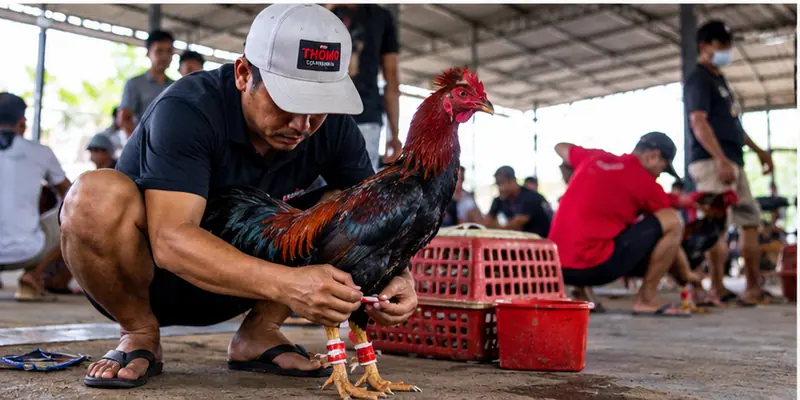
Rooster fighting has existed in several Southeast Asian societies for generations. Historically, such gatherings could serve as social occasions where communities met, exchanged local news, and discussed breeding traditions.
Customs differed between regions. Some communities emphasized heritage and ceremonial activities, while others developed competitive events with financial interests.
These differences are important when examining Thomo Cockfighting bet bry, because an online video rarely communicates the complete circumstances of an event.
A recording may show a specific moment without explaining its location, date, participants, or governing rules.
Geographic Context and Regional Identity
Thomo is commonly referenced in discussions of rooster-fighting activity near the Cambodia–Vietnam border.
Geographic labels can become recognizable search terms even when online publishers provide limited details about a particular venue.
Readers should therefore distinguish between the regional identity associated with Thomo and the individual websites using its name.
Not every digital reference to the area confirms that footage originated there.
Researching regional history, established reporting, and the legal environment produces a more complete understanding than relying on promotional titles alone.
How Traditional Activities Entered Digital Media
Digital video distribution has changed how regional events reach audiences.
Previously, participation or observation depended heavily on physical proximity. Today, edited recordings, social media discussions, and online commentary can circulate far beyond the location of the original event.
The growing visibility of Thomo Cockfighting bet bry reflects that broader shift.
However, digital distribution also creates challenges involving copyright, misleading descriptions, unverified streams, and content that omits relevant welfare concerns.
For researchers and casual viewers alike, the original source matters as much as the footage itself.
Evaluating Online Coverage and Information Quality
Digital platforms can present the same traditional activity in substantially different ways. Some publish historical commentary, while others prioritize attention-grabbing headlines or commercial promotions. Readers encountering Thomo Cockfighting bet bry should recognize these differences before treating online descriptions as factual reporting.
Identifying Reliable Sources
Source reliability begins with transparency.
A credible publisher should identify its editorial purpose, provide meaningful contact information, and distinguish original reporting from material supplied by third parties.
Publication dates are equally important. Older recordings may resurface with newly written titles that suggest an event occurred recently.
When investigating Thomo Cockfighting bet bry, compare information across multiple independent sources.
Look for consistent geographic details, clear attribution, and explanations of how footage was obtained.
A polished website design does not automatically establish accuracy.
Recognizing Misleading Promotional Claims
Online entertainment pages sometimes emphasize exclusive access, exceptional opportunities, or supposedly guaranteed outcomes.
Such wording deserves scrutiny, particularly when it appears beside betting-related promotions.
For example, a website referencing MM99 should be evaluated according to its publicly available operator information, licensing disclosures, terms, and applicable local laws rather than its marketing language.
Readers should also recognize that an entertainment brand appearing alongside a regional activity does not establish an official partnership.
The connection may be purely editorial or promotional.
Protecting Personal Information Online
Information security is another essential consideration.
Websites requesting personal details, identification documents, or payment information should be approached cautiously.
Readers researching Thomo Cockfighting bet bry can reduce unnecessary exposure by avoiding suspicious redirects, unsolicited downloads, and unfamiliar payment requests.
Modern browsers provide useful warning mechanisms, but these cannot identify every deceptive website.
Independent verification remains necessary, especially when a page makes claims involving financial transactions or exclusive video access.
Legal, Ethical, and Responsible Viewing Considerations
The online visibility of animal-fighting events raises questions beyond entertainment preferences. Legal requirements vary by jurisdiction, and public attitudes toward animal welfare continue to influence the discussion. Understanding Thomo Cockfighting bet bry therefore requires attention to the possible consequences for animals, participants, and audiences.
Animal Welfare and Public Responsibility
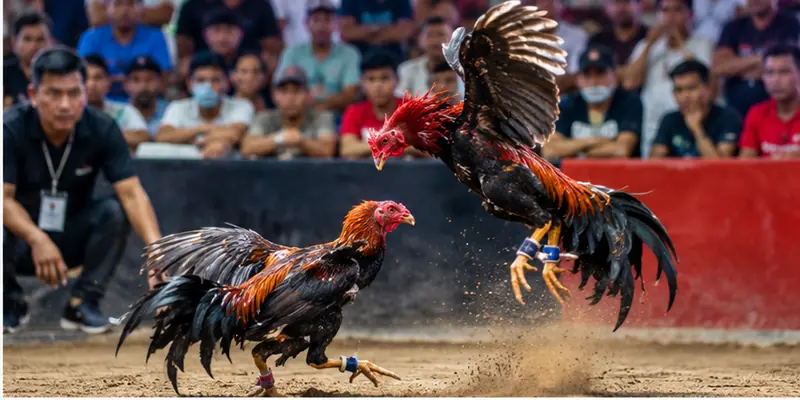
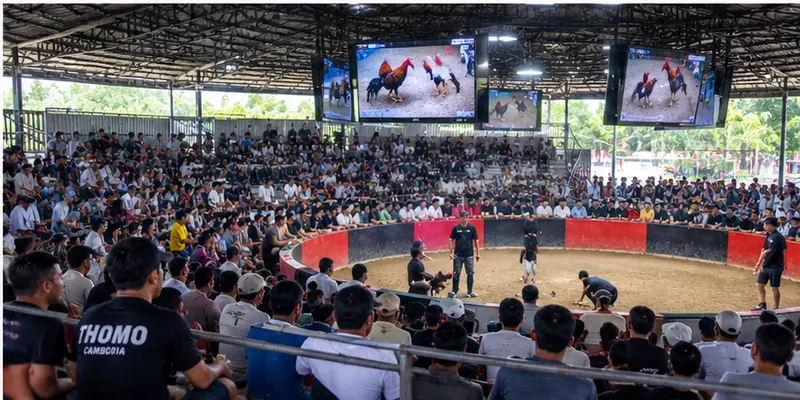
Animal fighting can expose animals to pain, serious injuries, and death.
These harms should not be minimized through cultural or promotional descriptions.
Traditional significance can help explain why a practice developed, but historical importance does not automatically resolve contemporary welfare concerns.
When discussing Thomo Cockfighting bet bry, readers should consider animal welfare research alongside historical and regional context.
Educational material can acknowledge the existence of a tradition without encouraging participation in harmful activities.
This distinction supports more balanced and responsible reporting.
Understanding Legal Differences
Laws governing animal fighting and gambling vary across countries and sometimes between regions.
An activity associated with one geographic location may be prohibited or restricted elsewhere.
Online access also does not establish legal permission to participate.
For this reason, material related to Thomo Cockfighting bet bry should never be interpreted as proof that a particular activity or transaction is lawful.
Readers should consult current official legal information relevant to their location.
Commercial terms, website availability, and regional customs are not substitutes for legal authorization.
Choosing Responsible Digital Entertainment
Audiences interested in regional traditions have alternatives that do not require supporting animal fighting.
Documentaries, cultural histories, agricultural exhibitions, and educational programming can provide valuable information about local customs and poultry heritage.
Similarly, platforms that mention MM99 or other entertainment brands should be assessed independently, with attention to advertising claims, financial risks, and consumer protection.
Responsible browsing means recognizing the distinction between educational content and promotional invitations.
For Thomo Cockfighting bet bry, that distinction is especially important because cultural, commercial, and welfare considerations frequently overlap.
Conclusion
Thomo Cockfighting bet bry represents a subject where regional history, digital distribution, commercial messaging, and animal welfare intersect. Understanding these dimensions helps readers distinguish documented cultural information from unreliable online claims. Source verification, awareness of local law, and consideration for animal wellbeing provide a more informed perspective. Educational coverage is most valuable when it explains the historical context accurately without overlooking the ethical consequences of animal fighting.